Pastel Pink Tie-Dye Seamless Pattern: A Versatile Design Element for Creative Projects
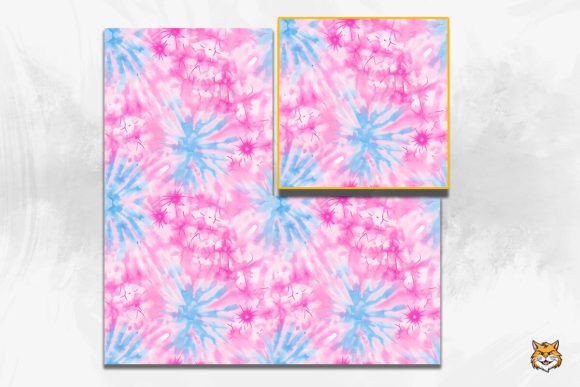
The Pastel Pink Tie-Dye Seamless Pattern is a visually appealing design element that combines the softness of pastel colors with the dynamic, swirling effect of tie-dye. This seamless pattern is crafted to be used across a variety of creative applications, from digital backgrounds to print materials. Its versatility and aesthetic appeal make it a popular choice among designers, crafters, and artists looking to add a touch of retro charm to their work.
This pattern is available in high-quality 300dpi resolution, ensuring crisp details and clarity when used for both digital and print projects. The file format includes one PNG file in a 4000 px x 4000 px size, making it suitable for large-scale printing or high-resolution displays. It comes as a single zip file, offering convenience for users who need to integrate this design into their workflow quickly.
Understanding the Appeal of Pastel Pink Tie-Dye Seamless Pattern
The Pastel Pink Tie-Dye Seamless Pattern draws inspiration from the vibrant and free-spirited aesthetics of the 70s. This era was known for its bold patterns, experimental designs, and colorful palettes—elements that are echoed in the soft, muted tones of the pastel pink tie-dye style. The combination of these two characteristics creates a design that feels nostalgic yet modern, making it a strong fit for a wide range of creative endeavors.
Designers often turn to this pattern when they want to evoke a sense of warmth, playfulness, or artistic expression. Whether used as a background for social media banners, invitations, or scrapbooking layouts, the Pastel Pink Tie-Dye Seamless Pattern adds visual interest without overwhelming the viewer. Its seamless nature also ensures that it can be tiled without visible seams, which is particularly useful for web backgrounds or large-format prints.
Benefits and Considerations
One of the key benefits of using the Pastel Pink Tie-Dye Seamless Pattern is its adaptability. It works well with a variety of color schemes and can be layered with other design elements to create more complex visuals. Additionally, because it is a high-resolution PNG file, it maintains its quality even when scaled up, which is essential for print projects like cards, banners, or wall art.
However, there are some considerations to keep in mind. While the soft pastel pink hue is ideal for creating a calming and inviting atmosphere, it may not be the best choice for projects that require high contrast or bold visual impact. In such cases, alternative patterns with more saturated colors or geometric shapes might be more appropriate.
Another factor to consider is the intended use of the pattern. For example, if you're designing a website background, the Pastel Pink Tie-Dye Seamless Pattern could be an excellent choice due to its ability to blend seamlessly with other design elements. However, if you're working on a project that requires minimalistic design principles, you may want to explore simpler or more subdued patterns instead.
Situations Where This Pattern Is a Strong Fit
The Pastel Pink Tie-Dye Seamless Pattern is particularly well-suited for creative projects that benefit from a soft, organic feel. Some common use cases include:
- Invitations and Cards: The gentle pastel pink hues and flowing tie-dye design make this pattern ideal for crafting elegant yet playful invitations or greeting cards.
- Web Backgrounds: Its seamless nature allows it to be used effectively as a background for websites, blogs, or social media profiles without disrupting the overall layout.
- Scrapbooking and Craft Projects: The pattern's vintage-inspired look complements many types of handmade crafts and can add a unique visual element to scrapbook pages or DIY decor items.
- Graphic Design: Designers working on branding, packaging, or promotional materials can use this pattern to create a cohesive and eye-catching visual identity.
When Alternatives Might Be More Suitable
While the Pastel Pink Tie-Dye Seamless Pattern offers a lot of versatility, it may not be the best choice for every project. If you're working on something that requires a more professional or minimalist aesthetic, you might find that solid colors, subtle gradients, or geometric patterns are more appropriate.
Additionally, if your project involves text-heavy content, it's important to ensure that the pattern doesn't interfere with readability. In such cases, using the pattern as a secondary background or limiting its use to specific sections of the design can help maintain clarity and focus.
For those looking to incorporate retro elements into their design without the tie-dye effect, exploring other 70s-inspired patterns such as floral motifs, geometric shapes, or psychedelic designs could be worth considering. These alternatives offer similar nostalgic appeal but with different visual characteristics that may better suit specific design goals.
Practical Decision-Making Insights
When deciding whether to use the Pastel Pink Tie-Dye Seamless Pattern, it's important to consider the overall tone and purpose of your project. Ask yourself: Does this pattern enhance the message or mood I'm trying to convey? Will it complement other design elements rather than compete with them?
If you're unsure, experimenting with the pattern in small sections of your design can help you gauge its effectiveness before committing to a full implementation. You can also look for inspiration by examining how other designers have used similar patterns in their work.
Ultimately, the Pastel Pink Tie-Dye Seamless Pattern is a valuable resource for anyone seeking to add a touch of creativity and nostalgia to their projects. By understanding its strengths and limitations, you can make informed decisions about how best to use it in your own design work.