Rusted Iron Metal Texture Patterns: Elevating Digital Design with Authentic Industrial Decay
In an era where digital perfection often dominates the visual landscape, a counter-movement is gaining significant traction among professionals and creators. This movement embraces the imperfect, the weathered, and the raw. At the forefront of this aesthetic shift is the Rusted Iron Metal Texture Patterns collection, specifically designed to transform the chaotic beauty of corrosion into a sophisticated design asset. By integrating these textures into creative workflows, designers are not merely adding a filter; they are injecting a sense of history, resilience, and tangible reality into their projects.
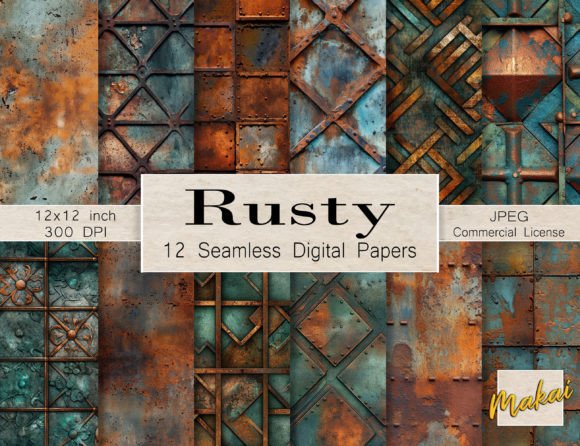
The market for high-quality digital assets has evolved rapidly. Consumers and businesses alike are moving away from sterile, generic backgrounds in favor of content that tells a story. The Rusty collection addresses this demand by offering 12 seamless digital papers that capture the intricate dance between oxidized metal and time. Each file, sized at 12 x 12 inches with a resolution of 3600 x 3600 pixels, serves as a high-fidelity canvas for oxidized metal and rusted textures, allowing for applications ranging from fabric printing to high-end web design without the loss of detail.
The Convergence of Nature and Industry in Modern Aesthetics
To understand the rising relevance of Rusted Iron Metal Texture Patterns, one must look at the broader cultural narrative surrounding industrial heritage. We are witnessing a resurgence of interest in "industrial elegance," a style that celebrates the structural integrity and eventual decay of man-made environments. This trend is not limited to interior design; it permeates branding, fashion, and digital media.
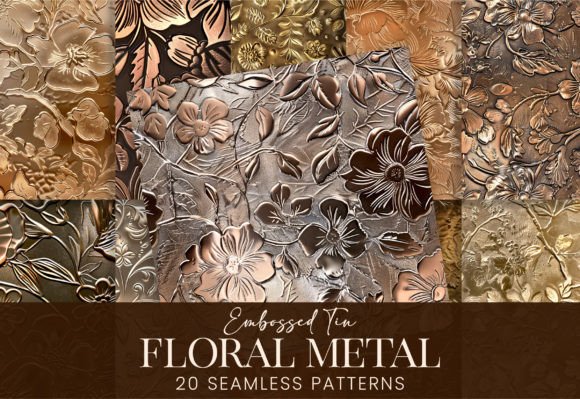
The specific color palette found in the Rusty collection—a rich tapestry of turquoise and copper—speaks directly to the natural process of oxidation. Copper turns verdigris when exposed to the elements, while iron develops deep orange and brown hues. These colors are no longer just indicators of decay; they are symbols of transformation. In a business context, using these textures signals authenticity. For entrepreneurs and marketers, a brand identity built on these patterns suggests durability and a legacy that withstands the test of time, contrasting sharply with the fleeting nature of trendy, plastic-looking graphics.
Technical Precision Meets Artistic Vision
The utility of any digital asset lies in its technical specifications. The Rusted Iron Metal Texture Patterns are engineered for versatility across various professional workflows. With a format of JPEG and a resolution of 300 dpi, these files are optimized for both screen display and high-resolution physical printing. This dual capability is crucial for freelancers and agencies who need to pivot quickly between digital campaigns and tangible product launches.
The inclusion of 12 seamless digital papers ensures that users can create large-scale backgrounds without visible tiling artifacts. Whether a designer is creating a backdrop for a vintage-inspired greeting card or a full-wall mural for a loft-style decor project, the seamless nature of these textures guarantees a continuous flow of imagery. The size of 3600 x 3600 pixels provides ample room for cropping and scaling, ensuring that the gritty, authentic edge remains sharp even when enlarged for billboard advertising or fabric rolls.
Practical Applications Across Creative Industries
The versatility of these patterns extends far beyond simple background replacement. They are tools for storytelling. Here is how different sectors are leveraging this texture to meet changing consumer expectations:
- Fashion and Textile Printing: The textile industry is increasingly looking for prints that mimic real-world materials. By utilizing the Rusty collection for fabric printing, designers can create garments that feature a steampunk sophistication without the weight of actual heavy metals. The high resolution ensures that the intricate details of the rust hold up during the dyeing and weaving processes, giving clothing a unique, tactile appeal.
- Paper Crafting and Stationery: In the realm of paper crafting, there is a growing demand for materials that offer depth. These digital papers allow crafters to print cards, scrapbooks, and packaging that feel substantial. The "forgotten industrial elegance" captured in the patterns adds a layer of intrigue to greeting cards, making them memorable keepsakes rather than disposable items.
- Digital Marketing and Web Design: Websites are becoming more immersive. Using these textures as overlays or section backgrounds can break the monotony of flat design. For tech companies that want to emphasize robustness and security, a subtle overlay of rusted iron can subconsciously reinforce messages of strength and reliability.
- Interior Design Visualization: Architects and interior designers use these patterns to visualize spaces before construction begins. Envisioning a space with walls that have the texture of reclaimed iron helps clients connect emotionally with the proposed environment, bridging the gap between digital renderings and physical reality.
Addressing the Shift Toward Authenticity
Why are people paying attention to Rusted Iron Metal Texture Patterns right now? The answer lies in a collective fatigue with the hyper-polished, algorithmic perfection of modern digital media. Consumers are craving connection, and connection is often forged through shared human experiences, including the passage of time and the inevitability of change.
These textures represent a visual exploration of resilience. When a creator uses a pattern that shows the marks of time, they are acknowledging imperfection. This aligns with the "slow design" movement, which prioritizes quality and longevity over speed and disposability. For entrepreneurs, adopting this aesthetic can differentiate their brand in a crowded marketplace. It suggests that the business values substance over flashiness.
Furthermore, the workflow efficiency provided by high-quality seamless patterns cannot be overstated. In a fast-paced creative economy, time is a premium resource. Instead of spending hours photographing rusty surfaces under varying light conditions or attempting to paint textures by hand, professionals can download, drag, and drop these 300 dpi JPEGs into their projects. This allows them to focus on the strategic aspects of their work, such as messaging and layout, while still achieving a high level of artistic fidelity.
Crafting a Legacy Through Digital Assets
The description of the Rusty collection notes that "with Rusty, you're not just creating a piece, you're crafting a legacy." This sentiment resonates deeply with the long-term goals of many creatives. A design that incorporates the beauty of decay is inherently timeless. Trends come and go, but the cycle of nature—the way copper turns green and iron turns red—is a constant.
By integrating these patterns into their portfolios, professionals are future-proofing their work. Designs created today with these textures will likely remain relevant years from now because they tap into fundamental human appreciation for organic forms and historical narratives. Whether used as the bold statement in a loft-style decor project or the print that gives a new lease of life to a classic accessory, the impact is lasting.
As we move forward, the intersection of technology and traditional aesthetics will only deepen. The ability to manipulate digital files to mimic the complex physics of oxidation demonstrates the power of modern software. However, the soul of the design comes from the source material—the story of the metal, the water, and the air. The Rusted Iron Metal Texture Patterns bridge this gap, offering a tool that is as practical as it is poetic.
For those ready to add a gritty, authentic edge to their next project, exploring collections like Rusty is a strategic move. It is a decision to embrace the unexpected beauty in imperfection and to let the relentless march of nature reclaim its territory within the digital realm. In doing so, creators do more than produce images; they curate experiences that resonate with the enduring spirit of the materials they depict.